
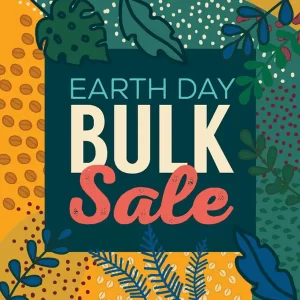
Earth Day Bulk Sale — April 22 to April 24
Our Earth Day Bulk Sale is back — April 22 through April 24! Everyone gets 20% off on our incredible selection of bulk products. Bring your empty containers and explore hundreds of package-less foods, herbs & more!

Round Up at the Register in April to Support Midtown Parks
Through investments in infrastructure, lighting, public art, activities, events and more, Midtown Parks creates centrally-located public spaces designed to provide opportunities for recreation and leisure, which in turn encourage active lifestyles and promote social interaction—essential components of enhancing physical, mental and emotional health.
> Learn More

Make Every Day Earth Day Program Voting
17 local organizations have been nominated for our 2024 Make Every Day Earth Day program. Vote for your favorite organization online now through April 24.
You may vote for up to 6 organizations to be elected as beneficiaries of our 2024 Make Every Day Earth Day program.
> Vote Now

Member Patronage Refunds are Now Available!
2023 was a financially successful year for our Co-op and our Board of Directors voted to distribute $150,000 back to our members.
Log in to the Member Portal to view your total patronage for 2023, see how each individual refund is calculated and to read more FAQs about Patronage Refunds.
> Log in to the Member Portal

Fresh Weekly Savings
Pick up a copy at the Customer Service desk or have these Fresh Weekly Savings delivered right to your inbox by signing up for our newsletter.
Co+op Deals
Save on hundreds of grocery items, dairy, supplements, and body care products.

Co-op Everyday
Co-op Everyday is our Every Day Low Price Program with wide range of products at affordable prices.

Wellness Wednesday
On Wellness Wednesdays, everyone saves 10% on supplements and body care, members save 15%.